
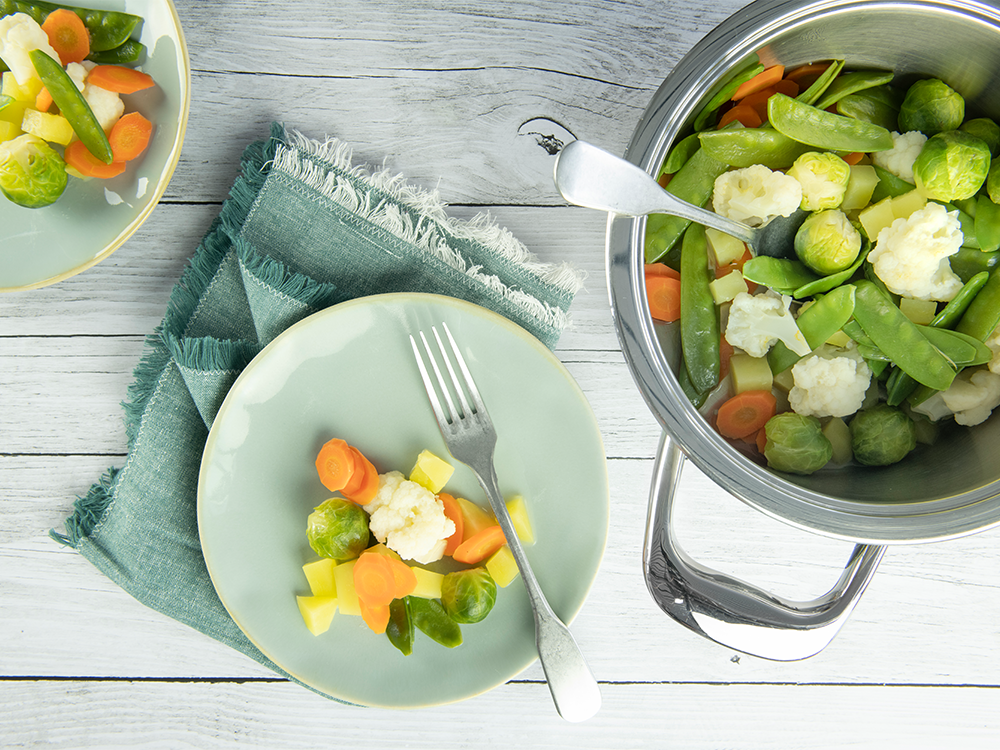
Most people already know vegetables are good for them. The real challenge is not knowing whether to eat them but knowing how to cook them so they stay nutritious, full of flavor, and enjoyable enough to look forward to again.
For many people, cooked vegetables have too often meant disappointing results: carrots that taste watery, cauliflower that’s too soft, or Broccoli that’s become overcooked and tasteless before they even reach the plate. Healthy perhaps, but hardly inspiring.
This is often where healthy eating loses momentum. When vegetables feel like something you should eat rather than something you genuinely want to eat, it becomes harder to make them a regular part of everyday meals.
The good news is that with smarter cooking, vegetables can stay vibrant, flavorful, and satisfying while still supporting a healthier way of eating.
Why the Way You Cook Vegetables Matters
Cooking changes vegetables and often in a good way. Heat can soften fibers, bring out natural sweetness, and in some cases make certain nutrients easier for the body to absorb. Carrots are a good example, as cooking can make beta-carotene more available, which the body can convert into vitamin A.
At the same time, not every cooking method delivers the same result. Too much water, too much heat, or too much time can work against the result. Some water-soluble vitamins, such as vitamin C and certain B vitamins, can pass into the cooking water. If that water is poured away, some nutrients may be lost with it.
The same applies to texture and flavor. A few minutes can be the difference between vegetables that feel fresh and enjoyable, and those that feel overdone.
The goal is not simply to cook vegetables, but to cook them in a way that preserves what makes them worth eating in the first place.

Ways to Cook for Better Flavor and Nutrition
Steaming
A gentle method that helps preserve color, texture, and natural flavor. Because vegetables are not submerged in water, fewer nutrients are lost.
Roasting
Dry heat, often with a light coating of oil, brings out natural sweetness and deeper flavor. Vegetables such as carrots, peppers, cauliflower, and onions become richer and more aromatic.
Quick sautéing or stir-frying
Fast cooking with controlled heat helps vegetables stay crisp, colorful, and fresh. A small amount of healthy fat also supports the absorption of fat-soluble vitamins such as A, D, E, and K.
Gentle, controlled cooking
Moderate heat and the right timing allow vegetables to cook evenly without becoming soft or lifeless. This is often where every day cooking succeeds: not through complicated techniques, but through control.

Smart Cooking Tips You Can Use Today
Small changes can make a noticeable difference. Cook vegetables until they are bright in color and still have a slight bite. Use only as much water as needed and cut vegetables into larger pieces where appropriate to help reduce nutrient loss.
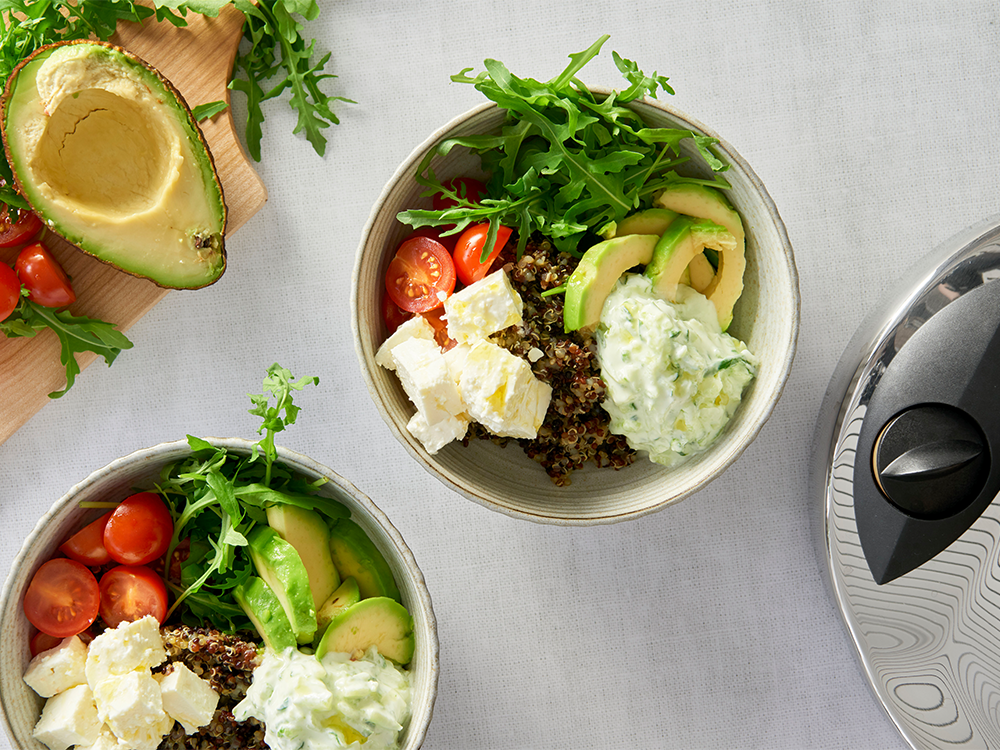
When boiling, consider using the cooking liquid in soups, sauces, or stocks. For better flavor and improved absorption of fat-soluble vitamins, pair vegetables with a small amount of healthy fat such as olive oil, nuts, seeds, or avocado.
Where the Right Cooking Method Makes a Real Difference
Knowing what to do is helpful. Being able to do it consistently on busy weekdays is where many people struggle.
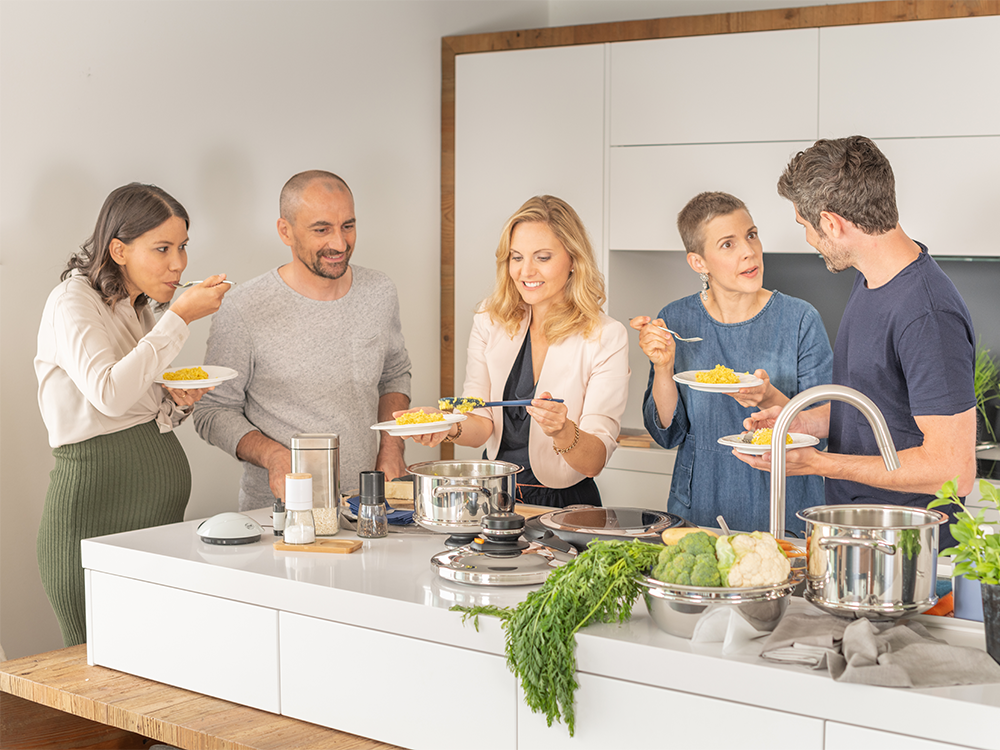
Managing temperature, timing, moisture, and texture at the same time can be difficult with conventional cookware. This is where the AMC Cooking System makes a meaningful difference.
It supports multiple cooking methods in one versatile system, from steaming and roasting to stir-frying and gentle, controlled cooking. Many vegetable dishes can be prepared with little or no added water, helping preserve their natural flavor, color, and texture.

The AMC Cooking System is built around a closed-circuit system that enables controlled cooking. The Visiotherm temperature indicator, integrated into the lid’s knob, measures the temperature inside the pot, allowing you to cook with precision and confidence.
This temperature control reduces guesswork and makes it easier to adjust heat at the right time, supporting more consistent results. High-quality stainless-steel cookware ensures even heat distribution, helping reduce hot spots and prevent unnecessary burning.
The result is simple: vegetables with better flavor, fresher texture, and more of their natural character.
Guided Cooking with Cook & Go
For those who want more than quality cookware, the Cook & Go App works seamlessly with the AMC Cooking System to create a connected cooking experience.
The app connects directly to the cooking system, making it easy to follow step-by-step guidance that shows not only what to do, but also when to do it. Combined with AMC’s temperature- and time-controlled cooking approach, this helps you stay on track throughout the process, allowing you to use the cooking system to its full potential.
For beginners, this structure removes two of the most common sources of cooking stress: not knowing what comes next and not knowing whether it is being done correctly. Instead of second-guessing, you cook with clear guidance.
For more experienced cooks, it also opens the door to trying new recipes with greater confidence and consistency.

What Better Vegetables Mean at the Table
People are more likely to enjoy vegetables when they look appealing and taste good. Children may be more open to trying them, and adults who once saw vegetables as an obligation may begin to enjoy them again.
With the right techniques, habits, and cooking system, vegetables can deliver both nutrition and flavor in everyday meals.
Discover how the AMC Cooking System and Cook & Go App can support a smarter approach to healthy vegetable cooking.

Dodaj komentar
To spletno mesto ščiti hCaptcha, pri čemer veljajo hCaptcha pravilnik o zasebnosti in pogoji uporabe.